
Is It Safe to Travel to Costa Rica?
If you’re contemplating a trip to Costa Rica, you may be wondering whether this country is a safe place to visit.
And the answer is yes — Costa Rica is one of the safest countries in Latin America. But like any country, Costa Rica poses certain health and safety risks to the traveler. Drownings in the ocean are sadly common. Petty crime is a concern, though violent crime is rare. People sometimes die in car crashes, fall off cliffs or succumb to other random accidents.
Costa Rica has a modest number of COVID-19 cases. Mosquitoes can spread the Zika virus or dengue fever. But what’s the health problem you’re most likely to suffer? Sunburn.
Let’s take a realistic look at the health and safety risks that visitors to Costa Rica might face, and what precautions they should take.
Coronavirus is Much Worse in the U.S. than in Costa Rica
It’s a bit strange that a U.S. State Department website bluntly says, “Do not travel to Costa Rica due to COVID-19.”
Really? As of late August, the United States had 6.1 million coronavirus cases and 180,000 deaths. In a population of 328 million, that means almost 2% (0.0186) of Americans have been infected with this virus.

Yet at the same time, Costa Rica has about 37,000 cases and 400 deaths. In a population of 5 million, that means a fraction of 1% (0.0074) of Costa Ricans have been infected. So the infection rate in Costa Rica is just 39.7% of the infection rate in the United States. To put it another way, the COVID-19 infection rate in the U.S. is over 250% of Costa Rica’s.
Roughly 1,000 Americans die every day of COVID-19. Meanwhile, it makes national news in Costa Rica if 10 or 12 people die on any given day.
The coronavirus crisis is a real and continuing impediment to international travel. Yet if you take proper precautions, you’re no more likely to catch the coronavirus in Costa Rica than anywhere else.
Is the Water in Costa Rica Safe to Drink?
Many people worry needlessly about drinking the water in Costa Rica, though the water that comes out of the tap is safe almost everywhere. Then those same people spend hours on the beach without sunscreen, sustaining a painful sunburn that almost ruins their vacation.
(To be clear, the water is usually but not always safe. Ask the management at your lodging whether it’s safe to drink the water, and if they say, “Well, we don’t,” then you shouldn’t either.)
Petty Crime is Only Petty Until it Happens to You
We once stayed at a hostel in Tamarindo where three adults from Estonia arrived one day. The first thing they did was go to the beach, lugging bags that contained all of their cash, credit cards, passports, phones and cameras. Then they left all of their valuables on the beach while the three of them plunged into the ocean.
When they returned, all of their stuff had vanished, never to be recovered. It’s hard to imagine the enormity of their loss — they were suddenly penniless, they had no passports to return home, and if they wanted to call the Estonian consulate in San José for help, they had to borrow a phone.
We know of one person who had a brand-new laptop in the back seat of his car, and it vanished at a gas station while he went inside to pay for his gas. Leaving valuables in your car, locked or not, is never a good idea.

Pickpockets can also be a concern, especially in the crowded markets of San José. If you’re ever in a crowd with people pressing against you, watch your wallet, or move it to your front pocket. If you’re carrying a purse, keep it close.
One of the most bizarre robbery schemes in Costa Rica starts with a flat tire on a rental car right outside the airport. If you suffer a mysterious flat in an otherwise perfect car, be extremely wary of strangers who approach you to “help.”
Is it better to have your valuables on your person rather than left unattended somewhere else? In general, yes, because armed robbery is rare. But beware of keeping ALL your valuables either on your person or locked up in your room. The best strategy is to carry part of your valuables on your person and leave others locked up in a safe in your room.
Driving is Always Dangerous — Everywhere
Probably the most dangerous thing that people do every day, all over the world, is driving.
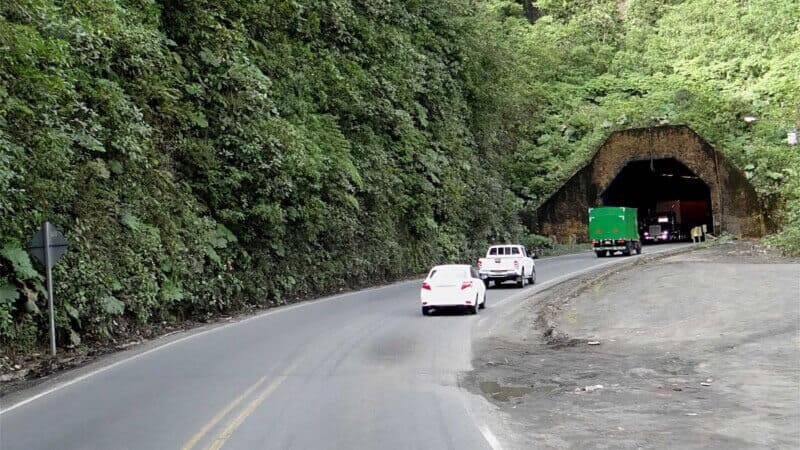
We’ve seen fatalities on Costa Rica’s highways that could have happened anywhere. In one case, a motorcyclist driving to work was killed trying to pass a bus that was turning left at a major intersection in Limonal.
In another case, an entire family died when a speeding car tried to dodge traffic in a left lane near Jacó but instead slammed into a stopped truck in the right lane.
Costa Rican highways are generally paved, well-marked and as safe as highways anywhere. But occasionally there are real safety threats — big potholes, unstriped roads, mudslides, heavy rain, dense fog and even stray cows. Slow down and arrive alive.
The Danger of Drowning
People from all over the world come to Costa Rica for the beaches and the bathwater-warm oceans on both coasts. Yet many visitors plunge into the water unaware of the dangers of swimming in the ocean.
Tragically, preventable drownings occur in Costa Rica every year — roughly one to two persons per week — and in previous years, the numbers have been closer to 150 per year.
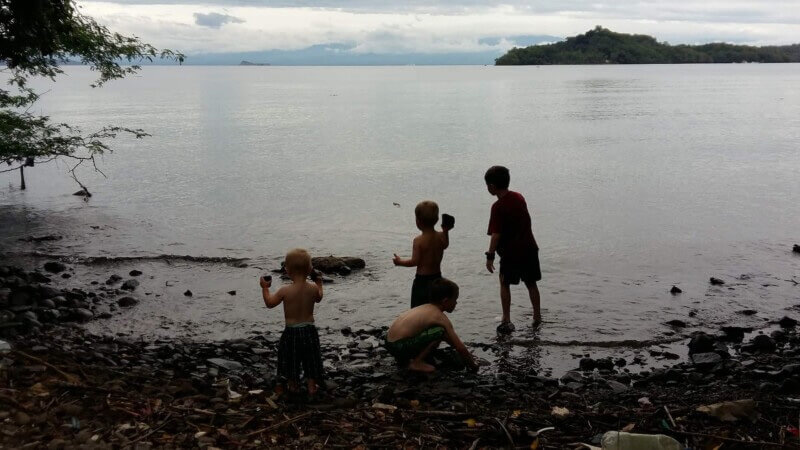
Riptides are dangerous currents that pull swimmers away from the beach and out into the open sea. Many swimmers instinctively fight riptides by trying to swim against them, but this can be a fatal mistake.
If caught in a riptide, go with it until you can swim away from it — parallel to the shore, not toward the shore.
Always stay close to children splashing in the waves. And even if you’re an experienced swimmer in lakes, rivers or swimming pools back home, never underestimate the power of the ocean to overwhelm you with surging surf and pounding waves.
Few beaches in Costa Rica have lifeguards, so if you want to go for a swim, you’ll usually be on your own. Be alert for signs warning of dangerous tides, and ask the locals if the beach is safe for swimming.
Hint: If there are surfers in the water, they were drawn here by big, powerful waves that can overwhelm a novice swimmer.
Still, there are hundreds of tranquil little bays in Costa Rica where waves are gentle and dangers are few. Can you introduce your 2-year-old to the pleasure of splashing in a placid surf? Absolutely. But keep them close, and always be careful in heavy waves.
Biggest Safety Threats in Costa Rica
Here are some of the safety threats you might face in Costa Rica:

ANIMALS
- Snakebite: This is very rare, but there are venomous snakes in Costa Rica that can bite you, especially if you step on them. Avoid walking through dense undergrowth or brushing against tree branches and leaves.
- Arachnids: Scorpion stings are painful but not dangerous, unless you’re allergic. If you leave your pants on the floor at night, a scorpion may decide to sleep inside them. Dangerous spider bites are also possible but rare.
- Mosquitoes: Annoying but usually harmless, mosquitoes can carry the Zika or dengue virus, and in rare cases malaria. Use insect repellent, and stay in a place with screens on the windows.
- Wildlife: Beware of crocodiles if swimming in swampy waters. If you encounter wild animals of any kind, leave them alone and they’ll usually return the favor.
DROWNING
- Oceans: Beware of venturing out too far in a raging sea with pounding waves.
- Rivers: In a shocking incident that made international news, five people died in 2018 while whitewater rafting on the rain-swollen Naranjo River near Quepos, even though they were wearing life vests. Whitewater rafting is almost always safe in Costa Rica, but don’t underestimate the power of rushing water.
- Swimming pools: Always keep an eye on toddlers, who may wander out the door and toward the swimming pool.
CRIME
- Theft: Never leave valuables unattended on the beach or in your car. Try to find lodging with a safe in the room, and use it to store anything you value.
- Robbery: Avoid walking alone, especially at night and in isolated places, and always be aware of your surroundings.
- Scams: Do not hand over money to anyone unless you know exactly what you’re getting in return, and know the exchange rate to avoid being swindled. Book all activities with a reputable tour company.
DRIVING
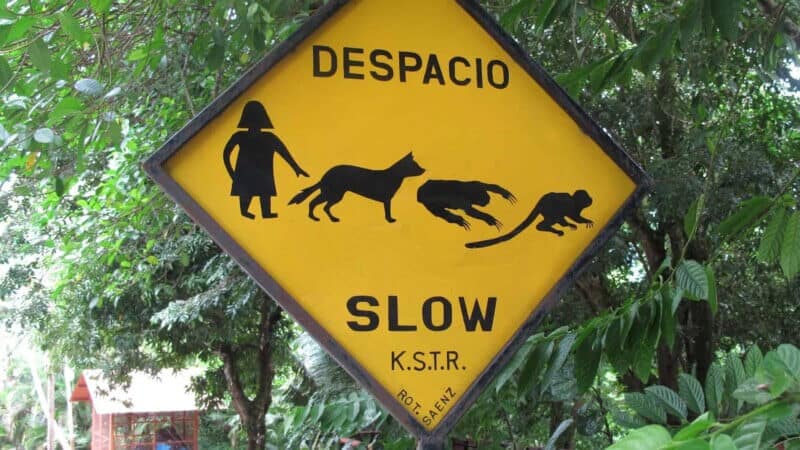
- Random accidents: The risks of driving are heightened in an unfamiliar country where you may not understand driving customs or even road signs. Slow down and be careful.
- Road conditions: Most roads in Costa Rica have one lane going each way, so you might need to pass a slow truck going uphill in the rain on a winding mountain highway, while someone else is speeding downhill. You might face huge potholes, mudslides, one-lane bridges or even a sloth crossing the road.
- City driving: Driving challenges are multiplied in San José and other urban centers, where the streets are confusing and the driving is chaotic. Just wait for your first “rotonda,” a traffic circle full of speeding cars where you have no idea what the rules are.
Who Is at Risk in Costa Rica?
You might think older people face the greatest safety risks when traveling to Costa Rica. But in fact, travel safety experts say people in their 20s face the greatest risks.
Why? Young people think they’re immortal, so they take more risks. They wander the streets at night, they walk alone on the beach, they jump off waterfalls, and they think sunscreen is for fogies.
Here are some considerations about visitors who might be at risk:
- Families with children: Keep them close, and you should be fine. If you have small children unaccustomed to the dangers of swimming pools (or oceans), keep a very close eye on them.
- Solo travelers: Male or female, people traveling alone often face greater risks than people traveling in groups. Try to make friends with people you can trust.
- Ostentatious tourists: If you’re wearing a Hawaiian shirt with a $1,000 camera around your neck and a bulging billfold sticking out of your pocket, thieves will notice you. Try to blend in and don’t make yourself an obvious target.
Travel Safety Tips for Costa Rica
Here are some tips to protect your security during your visit to Costa Rica. The following common-sense travel tips apply to any foreign country you may visit, and Costa Rica is no exception:
- Always be aware of your surroundings, and walk away from potential threats.
- Avoid isolated areas and avoid walking alone, especially at night.
- Don’t leave valuables unattended, but also avoid carrying all your wealth on your person.
- Beware of scams, learn the value of the local currency, and don’t part with money unless you know exactly what you’re paying for.