
Selecting the ideal location to spend your golden years is a decision that needs considerable thought because retirement is a big milestone in everybody’s life. With its beautiful scenery, hospitable people, and dedication to environmental sustainability, Costa Rica is becoming an increasingly popular destination in Latin America for retirees seeking a peaceful and meaningful life. Keep reading to discover the pros and cons of retiring in Costa Rica and the factors that make this jewel of Central America a haven for people looking for a calm and fulfilling retirement.
Retiring in Costa Rica Cons
While living in Costa Rica offers numerous advantages for retirees, it’s essential to consider both sides of the coin. Here are four potential drawbacks or cons of retiring in Costa Rica.
#1
Language Barrier
Although Spanish is the most common language in Costa Rica, many people speak English, particularly in tourist areas. It might be difficult for retirees who do not speak Spanish well to communicate on a daily basis, particularly when interacting with government offices, healthcare providers, and local services. Although learning the language can be helpful, it could be a little challenging for people who would rather be in an area where English is spoken.
#2
Bureaucratic Processes
Handling some legal issues or navigating bureaucratic procedures like residency applications can be a bit tricky and time-consuming. It’s possible that the paperwork required for different administrative duties is more complicated than in other nations.
#3
Healthcare System Variability

While Costa Rica has a well-regarded public healthcare system, the quality of healthcare can vary across regions, and access to advanced medical treatments may be limited in more remote areas. Some retirees opt for private healthcare, which can be expensive. Additionally, healthcare services might not match the standards some retirees are accustomed to in their home countries.
#4
Cultural Adjustment
Moving to a different country involves adapting to a new culture, customs, and way of life. Retirees might experience a period of cultural adjustment, and some aspects of daily life, such as shopping habits, social norms, or the pace of life, may differ from what they are used to. It’s essential to be open-minded and patient during this transition.
Retiring in Costa Rica Pros
Retiring in Costa Rica offers a tapestry of enticing advantages; read below the most representative pros of this tropical country.
#1
Natural Splendor
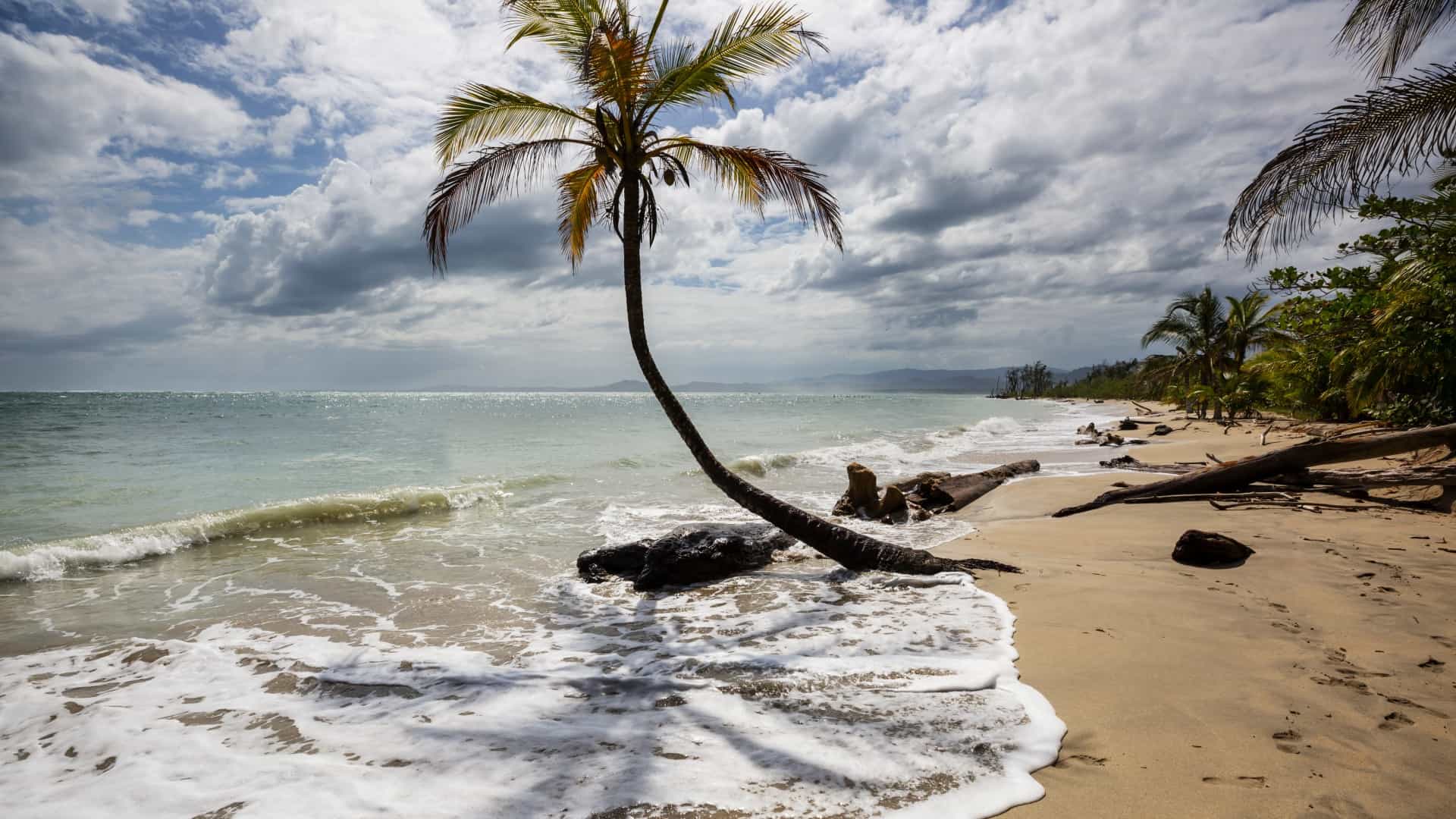
One of the most compelling reasons to retire in Costa Rica is its unparalleled natural beauty. The country boasts lush rainforests, pristine beaches, remarkable national parks and towering mountains, offering retirees an opportunity to live in harmony with nature. Costa Rica’s commitment to environmental conservation ensures that its natural wonders remain untouched, providing retirees with a daily dose of tranquility and awe.
#2
Pura Vida Lifestyle

Costa Ricans are renowned for their friendly and welcoming nature. The pervasive “Pura Vida” lifestyle, meaning “pure life” in Spanish, emphasizes a slower pace and positive approach to life. This inclusive and vibrant atmosphere contributes significantly to the overall well-being and happiness of retirees, fostering a sense of belonging and camaraderie.
#3
Affordable Cost of Living
For retirees on a fixed income, the cost of living is a crucial factor. Costa Rica offers a relatively low cost compared to many Western countries. From housing to groceries and healthcare, retirees can find reasonable options that don’t compromise on quality.
#4
Educational Opportunities
Retiring in Costa Rica doesn’t mean putting an end to your quest for knowledge. The country offers a range of educational opportunities, including language schools, art classes, and cultural workshops. Whether you want to learn Spanish, immerse yourself in local artistry, or explore the unique flora and fauna, Costa Rica provides retirees with a chance to engage in continuous learning.
#5
Diverse Expat Community

Costa Rica’s popularity as a retirement destination has led to the establishment of many expat communities. Retirees from around the world come together, creating a melting pot of cultures and experiences. This international network offers the opportunity to build lasting friendships, share unique perspectives, and create a supportive community away from home.
#6
Chance to Explore a Rich Biodiversity
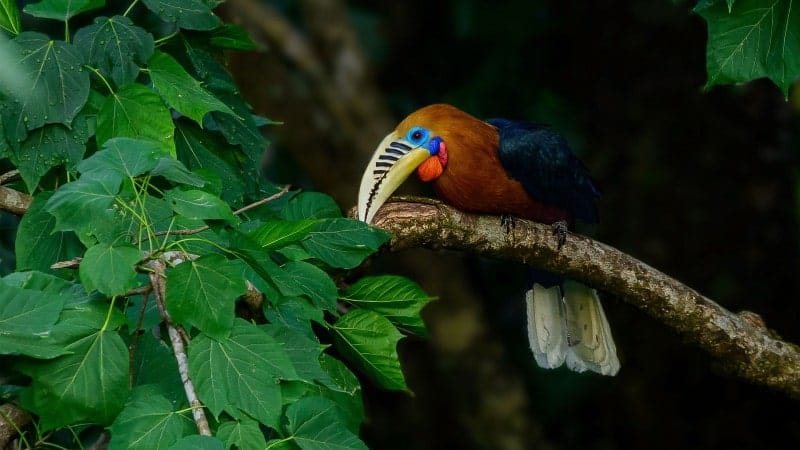
For retirees with a sense of adventure, Costa Rica is a playground of biodiversity and outdoor activities. From zip-lining through the rainforest canopy to exploring volcanic landscapes and wildlife reserves, the country offers endless opportunities for exploration. Retirees can embark on eco-friendly adventures, discover hidden waterfalls, and witness the captivating diversity of flora and fauna. The sense of wonder and excitement that comes with exploring Costa Rica’s natural wonders adds a thrilling dimension to retirement life.
#7
Economically Stable

Costa Rica has maintained a resilient economy, attracting foreign investors and providing retirees with financial stability. The country has experienced consistent economic growth and has a well-established banking system. For retirees relying on their savings or investments, Costa Rica’s stable economy offers peace of mind and ensures a secure financial environment.
#8
Tropical Climate
Costa Rica’s tropical climate is a significant draw for retirees seeking endless summer vibes, even during the rainy season. Costa Rica remains warm throughout the year, although it also has a variety of microclimates to choose from; retirees can select their preferred climate based on personal preferences. Whether it’s the sun-soaked beaches of the Pacific coast or the cooler mountain regions, Costa Rica’s diverse climate options, including the Central Valley, allow retirees to tailor their living experience to suit their ideal weather conditions.
#9
Eco-Friendly Living
Costa Rica is a global leader in environmental conservation, with a commitment to sustainability and eco-friendly practices. Retirees can take pride in living in a country that values environmental responsibility. The emphasis on renewable energy, conservation efforts, and eco-friendly initiatives aligns with a growing global consciousness about the importance of preserving our planet. For retirees who appreciate green living, Costa Rica provides a unique opportunity to be part of a community that prioritizes environmental stewardship.
#10
Art and Culture

Costa Rica’s rich cultural scene offers retirees the chance to immerse themselves in art, music, and local traditions. The country hosts numerous art galleries, theaters, and cultural festivals that celebrate its diverse heritage, not only in the capital city of San Jose but in most provinces and towns. Retirees can enjoy a vibrant cultural life, attending concerts, art exhibitions, and dance performances. The infusion of creativity and cultural expression adds a layer of depth to retirement in Costa Rica, ensuring a constant source of inspiration and soul-nourishing experiences.
Is Costa Rica Safe?
Costa Rica is generally considered safe to live and retire in, with a stable political environment and low crime rates in comparison to other Latin American countries.
Living in Costa Rica transcends the typical notion of a retirement haven; it’s an invitation to a life of perpetual discovery, community, and well-being. The positives of this tropical paradise extend far beyond its natural beauty and affordability. From the warmth of its people to the abundance of opportunities for learning, adventure, and cultural immersion, Costa Rica stands as an exceptional destination for those seeking a retirement that embraces the essence of the “Pura Vida” lifestyle.
Find Your Dream Home
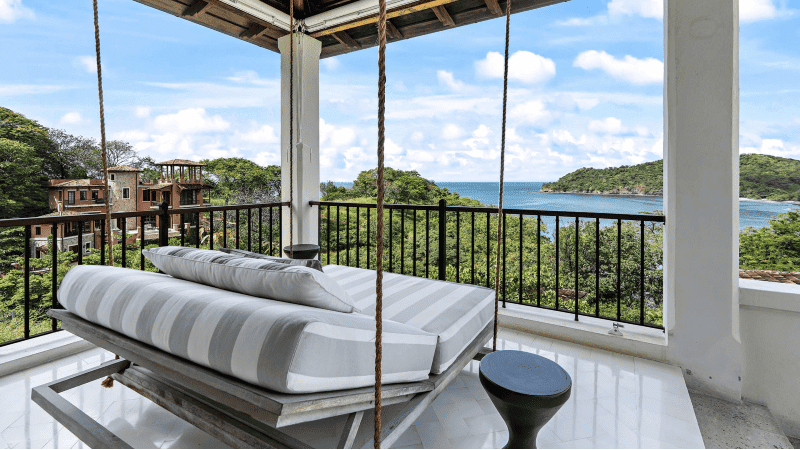
As you consider the pros and cons of retiring abroad, Costa Rica beckons as a land where the golden years truly shine, offering retirees the chance to create a chapter of their lives that is both extraordinary and profoundly rewarding. If you would like to explore the many properties that we have at your disposal to find what could potentially become your home in Costa Rica, click here to see what we have to offer you.